
Free guide
Is Mom & Dad’s furniture worth anything?
Published · Updated · Published and reviewed by Laura Miller, Miller Estate Solutions
Resale value depends on the maker, condition, completeness, provenance, and buyers for each item. Something that looks ordinary may deserve specialist review, while a much-loved piece may have limited resale demand. Start with the details before deciding what to keep, sell, or donate.
- BBB A+ ratingAccredited business
- Since 2017Serving Minnesota families
- Family ownedLocal, personal service
- Records defined for each serviceClear expectations
Sooner or later, everyone clearing a family home stands in front of the dining room set and asks the same question: is any of this actually worth something? It feels almost rude to ask. That table hosted forty Thanksgivings. The china in the hutch came out twice a year and was washed by hand every time.
You deserve a straight answer, and the industry is strangely reluctant to give one. So here it is, the same answer we give at kitchen tables all over Minnesota, with nothing softened. Some of what you have inherited has lost most of its market. Some of what you were about to donate or toss is quietly the best thing in the house. This guide walks through both, and then through the practical questions underneath: whether the whole thing adds up to enough for a sale, and when giving things away is genuinely the right call. If you are still sorting out which kind of help you even need, our guide to who to call maps the options first.
In this guide
- The answer nobody wants to give
- What actually sells in 2026
- Why a second look matters
- Is it worth enough for a company to take the job?
- When donating is the right call
- The second-look checklist
- Questions families ask about value
The answer nobody wants to give
Large dining sets, bedroom suites, china cabinets, crystal, and silver-plated serving pieces need individual evaluation. Size and transport costs can limit the buyer pool, but a maker mark, pattern, condition, or complete set can change the picture. Age and original purchase price alone do not establish current resale value.
Changing tastes affect demand, but assumptions about a generation of buyers are not a valuation. Photograph maker labels, repairs, wear, and missing parts. Compare completed sales for closely matched pieces rather than advertised asking prices.
There are exceptions, and they matter. Genuine mid-century pieces from known makers still bring real money. Quality benches, workbenches, and primitive farmhouse pieces have buyers. Unusual furniture may appeal to a different buyer from a formal dining set. The skill lies in knowing which piece in front of you is the exception, and that is a trained-eye judgment, made piece by piece, never a rule of thumb.
If you are downsizing rather than settling an estate, this same conversation is the heart of our downsizing work: an honest read on what should move, what should sell, and what should simply go to someone who needs it.
What actually sells in 2026
Here is the part that surprises almost every family: the value in a house is rarely where it looks like it should be. The showpiece furniture struggles, and the things people almost throw away sell. In no particular order, these are the categories that consistently perform:
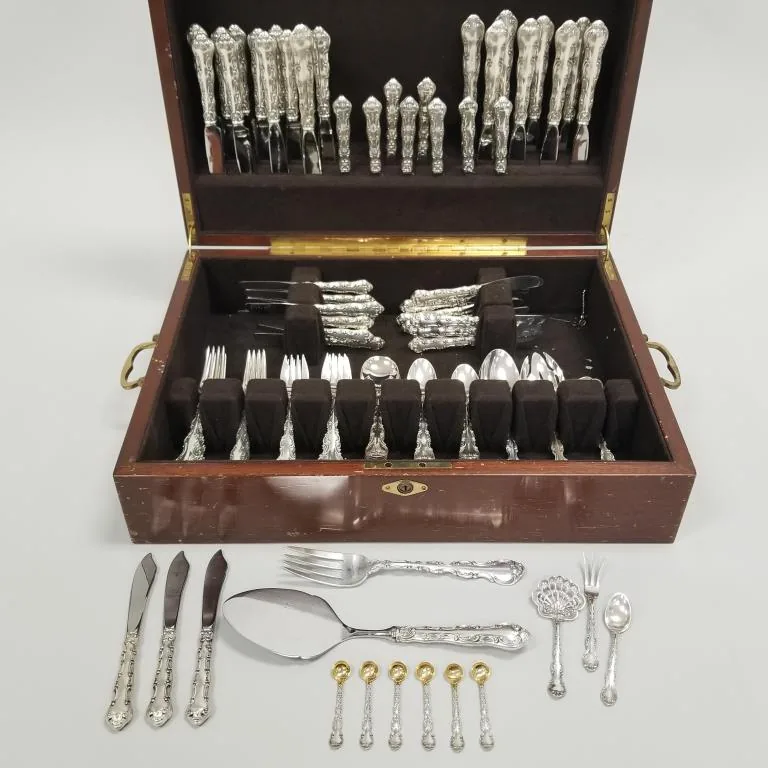
- Sterling silver. Flatware, tea services, candlesticks. Even incomplete sets have real value, and marked sterling is worth money even when the pattern is out of fashion.
- Original art. Signed paintings, prints, and sculpture. Most family art is decorative, but the exceptions can be life-changing, which is why every signature gets researched. For items tied to Minnesota history, the Minnesota Historical Society is a good place to learn more.
- Jewelry and watches. Fine jewelry obviously, but costume jewelry sells too, and gold pocket watches, even non-running ones, find eager buyers.
- Tools. Hand tools, power tools, shop equipment. Steady, unglamorous, reliable sellers.
- Vintage clothing and accessories. Furs, leather, denim, dresses, boots, handbags. Some of the most-discarded and best-selling items in any estate.
- Old toys and games. Trains, tin toys, early LEGO, dolls, pre-1980s games, often still boxed in an attic.
- Paper. Postcards, advertising, photographs, maps, old books. The category families toss first and regret most; we wrote a whole guide about what not to throw away.
- Collections of almost anything. Coins, stamps, comics, records, fishing lures, breweriana. A focused collection is its own market.
Small treasures carry further than people expect. A tortoiseshell case, a gold watch, a single good ring: items that fit in a coat pocket can outsell a room of furniture. And the everyday smalls, the kitchenware and garage shelves and linen closets, add up piece by piece into a number that routinely surprises families at settlement.
One client in North Oaks put the sorting side of this better than we could:
We had a great experience with Miller Estate Solutions. They cleared the house in two days. They were able to identify what needed be tossed, what needed go to charity and what could go to auction sites. They were very knowledgeable in what had value and where to sell it. They were very hard working and honest!
Beth S., North Oaks, MN Estate client
Knowing what something is worth is only half the job. The other half is selling it in the right place, because the same item can bring very different money at a garage table, an online listing, or the auction venue where its collectors actually shop. That routing question has its own guide: where different items sell best. If what you have is less a household and more a collection, comics or trains or art or jewelry, we handle collections on their own too, no house required.
Receipts, not promises
Why a second look matters
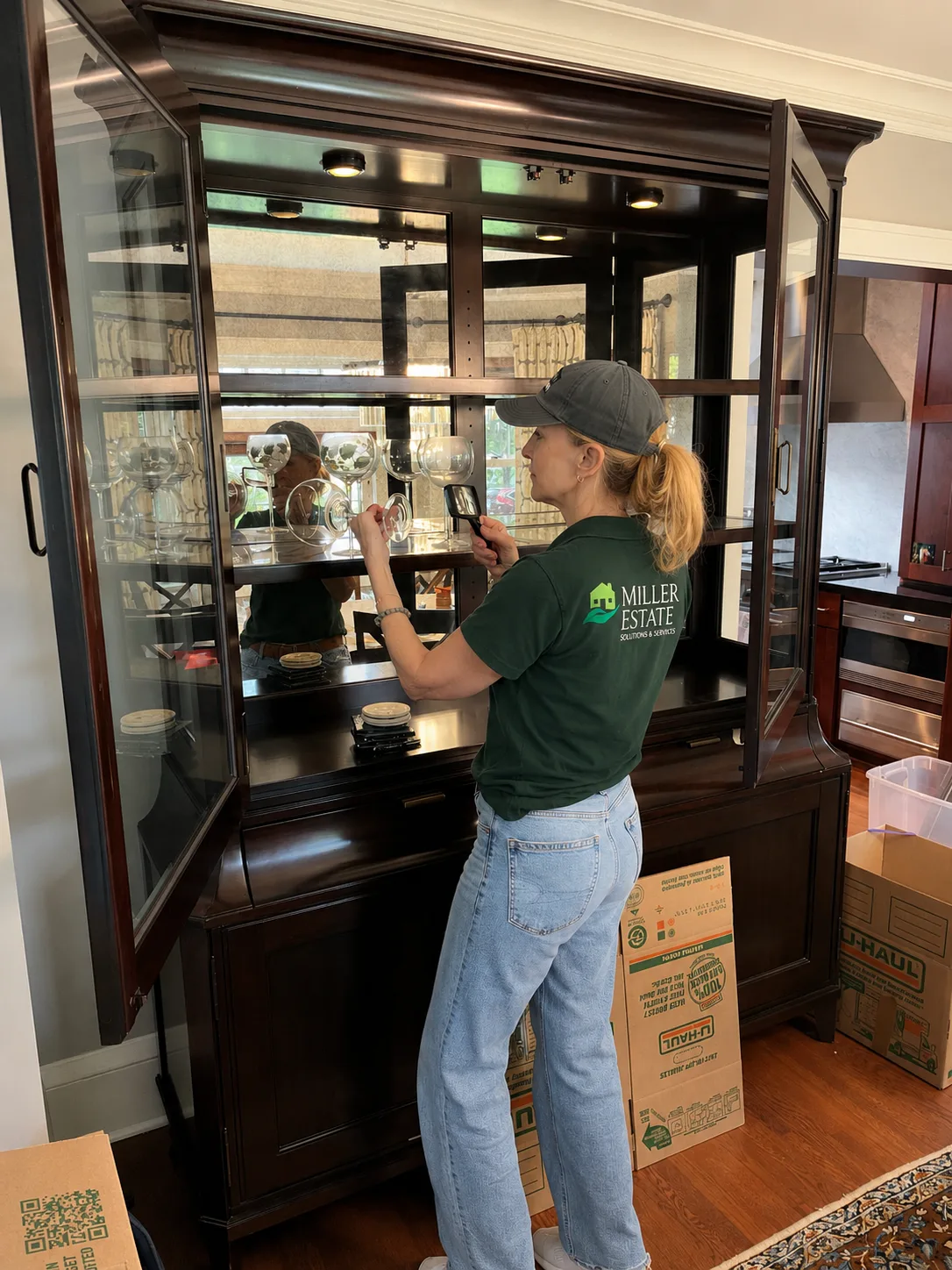
Value often hides in categories families overlook. Identification and routing should come before anyone guesses.
- Signed art and works with gallery labelsResearch before routing
- Designer and unusual furnitureIdentify maker and market
- Marked sterling, jewelry, and watchesCompare appropriate buyers
None of these categories announces itself. A signature, maker’s mark, or hallmark can change the route, which is why the second look matters before anything is donated or discarded. If a piece may need a formal appraisal, the American Society of Appraisers and the International Society of Appraisers each publish a find-an-appraiser directory.
Is it worth enough for a company to take the job?
This is the question underneath the question, and people are often embarrassed to ask it out loud. Please don’t be. It is the single most sensible thing to ask before committing to a route.
For a full household with decades of accumulation, multiple categories may add up even when the large furniture is not the strongest part of the market. For a sparse home, or one that family members have already picked over, a full sale may not fit. There are also in-between answers: a smaller engagement, a collection-only sale, or a different path entirely. We lay out the menu and let you choose; our guide to what estate sale companies charge explains how the money side works in plain language.
The fastest way to find out is to complete the project form. The team will review the situation and request room photos if they would help provide an honest first read without anyone coming to the house. One Edina family started that way:
Our dad was a collector of many things and we didn’t really have any knowledge of any of them. We contacted Laura and she got back to us promptly. I had taken some pictures of his apartment and sent them over to her. She was willing to take us on and that was a HUGE relief.
Kim J., Edina, MN Estate client, excerpt; full testimonial in our archive
Whatever the answer turns out to be, auction-sale results are documented at item level, while other records follow the customized service plan, and the proceeds statement at the end shows the whole picture. That paper trail is the core of how our estate sales work, and it is what lets a family trust the answer to “what was it all worth?” without taking anyone’s word for it.
When donating is the right call
Some things should simply be given away, and it helps to say so plainly. Furniture with no market, duplicate housewares, the everyday clothing nobody wants to sell: donated where they can help someone else, these things get a second life instead of a landfill. Many families tell us the donation runs matter to them as much as the sale.
What we would gently push back on is the blanket version: “just donate it all.” It comes from a kind impulse and it is wrong more often than it is right, because the boxes headed to the donation bin are precisely where the sterling, the old paper, and the vintage clothing tend to be hiding. Donate generously, after someone with a trained eye has looked. The sort we run on every job, sell, donate, keep, discard, exists exactly for this, and it is the same sort whether you need a full estate cleanout or a sale with a cleanout at the end.
The second-look checklist
Before you decide anything about the house, walk it once with this list. You are not appraising, just flagging things that deserve a professional look before they leave.
- Anything marked sterling, 925, or with silver hallmarks, including incomplete sets
- Signed or numbered art, and any art with gallery labels or receipts taped to the back
- All jewelry, including the costume jewelry box; watches, working or not
- Vintage clothing, furs, leather, boots, and handbags, especially pre-1980s
- Old toys, trains, dolls, and games, boxed or not
- Boxes of paper: photographs, postcards, letters, advertising, maps, documents
- Tools, shop equipment, and anything cast iron
- Any focused collection: coins, stamps, records, comics, fishing gear
- The attic, the basement shelves, and the backs of closets, where the exceptions live
If even three of those lines made you think of something in the house, it is worth a conversation before a single box leaves. And if you are weighing doing the whole thing yourself, read our honest comparison of DIY versus hiring help first; the cost of guessing wrong runs higher than most families expect.
02
Free guide
What not to throw away
Cash in books, medals in drawers, and the paper that pays. Read this before the dumpster arrives.
Read the guide
03
Free guide
How to prepare for an estate sale
What to do before we arrive, and the well-meaning prep work that quietly costs families money.
Read the guide
Questions families ask about value
Is the furniture worth anything, honestly?
There is no dependable answer from age or style alone. Maker, pattern, condition, completeness, and current buyer demand matter. Photograph labels and damage before moving a piece. We can help identify suitable selling routes and explain the proposed scope in writing.
Is my stuff even worth enough for a company to take the job?
Ask, please, even if you suspect the answer is no. Complete the project form, and the team will request photos if they would help determine whether a full sale, a smaller engagement, or a different path may serve you best. Scope, timing, and any costs are explained before work is scheduled.
How do I find out what things are worth without paying an appraiser?
Start with the project form. The team will review the details and request photos or a walkthrough if needed. You will get a plain-spoken read on what has real market value and what has mostly memories in it before you commit to anything.
Is an estate sale worth it financially?
It depends on the sellable contents, labor, access, deadline, fees, and final cleanout needs. A broad household may support a sale even when its large furniture is modestly valued. A sparse or already-picked-over home may need a smaller or different service.
Wouldn’t we make more selling the good pieces ourselves online?
On a per-item basis, sometimes yes. What that math leaves out is the six months of listing, messaging, no-shows, and porch pickups, while the house keeps costing money every week it sits full. Most families who start down that road tell us the same thing: the good items took all their energy, and the other 95 percent of the house was still there.
It feels wrong to put prices on her things.
That feeling is real, and it deserves better than a pep talk. Here is what families tell us afterward: the things that mattered most stayed with them, and the rest went on to be used and loved in other homes instead of sitting in the dark. Her things were part of her life; letting them be part of someone else’s is closer to an honor than a betrayal.
Key takeaways
- Do not judge value from size, age, or family memory alone.
- Photograph maker marks, joinery, damage, dimensions, and provenance.
- Match each category with its buyer audience and practical pickup or transport plan.
- Keep, sell, donate, and remove are all valid outcomes when chosen deliberately.
Not sure where to start?
Tell us about the house and we will help you identify the next useful step.
Planning your next step
Our sold-items gallery includes a documented Dresden china service and Gorham Strasbourg flatware. Those results show why identification matters; they are not estimates for another household. For an Edina estate, suitable pieces can be considered for specialist auction placement as part of the broader plan.
Get Started with the property location, your deadline, and what you need help deciding. The team can request photos or a walkthrough before putting scope, pricing, and records in writing.